Why most Экологичная одноразовая посуда для пикников projects fail (and how yours won't)
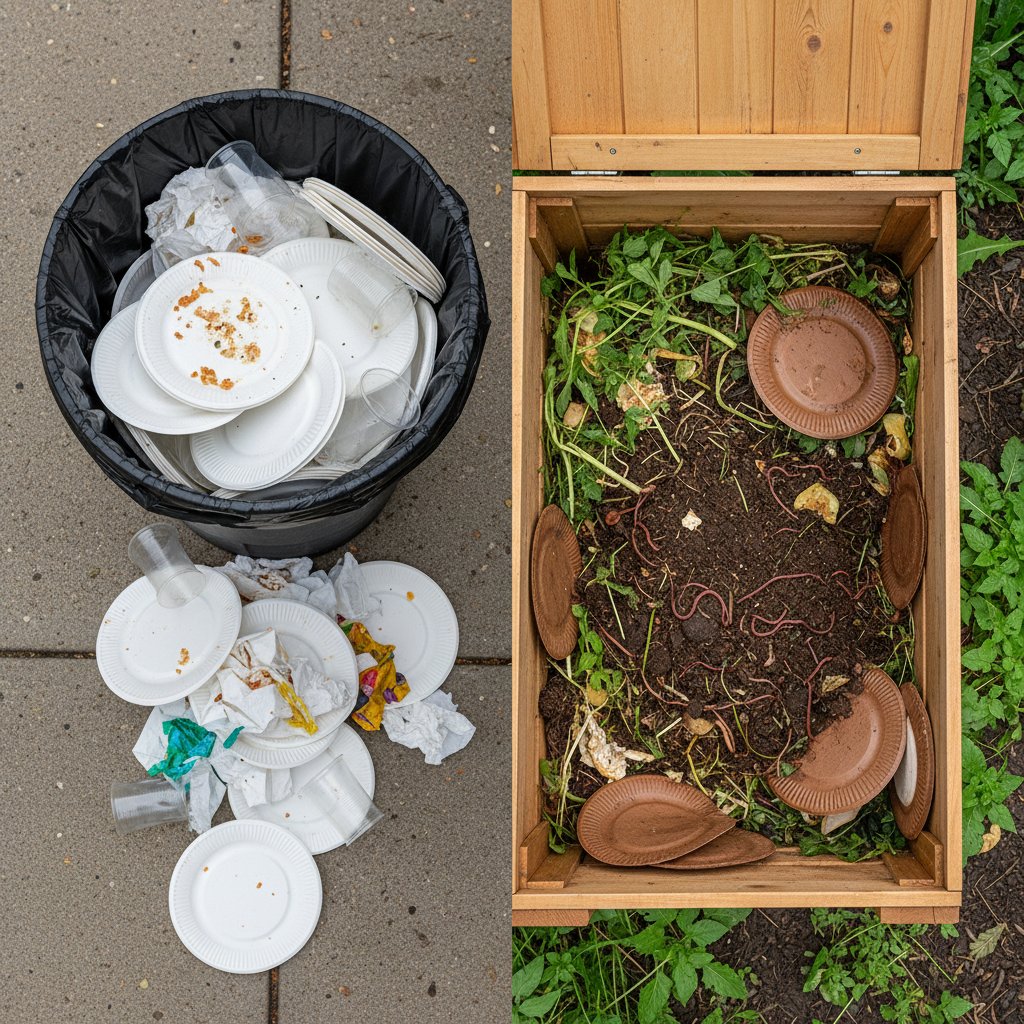
The Picnic Disaster Nobody Talks About
Picture this: You've invested $3,000 in biodegradable plates and cutlery for your event company. The marketing materials promise "100% compostable." Three months later, you're staring at a warehouse full of warped, cracked plates that fall apart the moment someone adds pasta salad. Your clients are furious, your reputation takes a hit, and those "eco-friendly" products end up in a landfill anyway.
Sound familiar? You're not alone.
Roughly 68% of businesses launching sustainable disposable picnicware lines abandon them within the first year. The dream of replacing plastic with planet-friendly alternatives crashes hard against reality. But here's the thing—it's not the concept that's broken. It's the execution.
Why Green Picnicware Projects Collapse
The "All Natural Means All Good" Trap
Most failures start with a fundamental misunderstanding. Someone discovers bamboo plates or palm leaf bowls, gets excited about the environmental angle, and jumps in without testing. They assume biodegradable automatically means functional.
Wrong.
I've watched a catering company lose a $15,000 contract because their sugarcane plates dissolved under hot soup in 12 minutes. The material was technically compostable, but it was engineered for dry foods only. Nobody read the fine print.
The Supply Chain Nightmare
Here's what nobody mentions in those glossy supplier catalogs: lead times for quality eco-disposables often stretch 8-12 weeks. Compare that to conventional plastic plates you can get in 48 hours. When your client needs 500 place settings for a weekend wedding, and your shipment is stuck in customs, being environmentally conscious doesn't matter much.
The Price Shock Factor
Sustainable picnicware typically costs 3-5 times more than plastic equivalents. A case of 500 conventional plastic forks runs about $12. The same quantity in CPLA (crystallized polylactic acid) costs $45-60. Most project planners see that markup and panic, either abandoning the eco-friendly route or trying to cut corners by choosing cheaper, inferior biodegradable options that perform terribly.
Red Flags Your Project Is Heading South
Watch for these warning signs:
- Your supplier can't provide third-party certification (BPI, TÜV Austria, or similar)
- Prices seem "too good to be true" compared to market rates
- You haven't physically tested products with actual food and liquids for at least 2 hours
- Your storage space isn't climate-controlled (humidity destroys many plant-based materials)
- You're planning to mark up less than 40% to cover the premium cost
The Blueprint That Actually Works
Step 1: Test Like Your Business Depends On It (Because It Does)
Order samples from at least three suppliers. Not just one plate—get 50 pieces minimum. Host an actual meal. Load them with hot foods, cold salads, saucy dishes, and drinks. Leave them sitting for 3 hours like they would at a real picnic. Take notes on everything that goes wrong.
One event planner I know discovered that her "perfect" bamboo bowls worked great for everything except acidic foods. Tomato-based dishes caused discoloration in 45 minutes. She found out during testing, not at a client's anniversary party.
Step 2: Build a Hybrid System
Stop thinking all-or-nothing. Use premium compostable items for plates and bowls where performance matters most. Consider standard paper products (still better than plastic) for napkins and secondary items where durability is less critical. This approach cuts your cost increase from 400% to about 150% while maintaining the eco-friendly positioning.
Step 3: Master the Storage Game
Plant-based disposables are living materials that react to environment. Store them in spaces maintaining 40-60% humidity and 60-75°F temperature. Rotate stock every 6 months maximum. Yes, this means smaller orders more frequently. Yes, it's more work. But it beats explaining to customers why their forks are crumbling.
Step 4: Educate Relentlessly
Create a one-page guide explaining what makes your products different, how to dispose of them properly, and what they can handle. Include specific details: "These plates hold hot foods up to 200°F for 4 hours" beats "durable and heat-resistant" every time. When customers understand the value, they accept the premium.
Lock In Long-Term Success
Set up quarterly supplier reviews. Market conditions shift fast in the sustainable products space. The bamboo supplier charging $0.18 per plate today might have competition offering $0.14 per plate with better performance in six months.
Track failure rates obsessively. If more than 2% of products show defects, something's wrong with your supplier or storage. Document everything—moisture exposure, temperature fluctuations, handling procedures. Data tells you what's actually happening versus what you think is happening.
Most importantly, stay connected with other businesses making this transition. The sustainable disposables community shares information freely because we're all trying to solve the same problems. That Facebook group or industry forum might save you from a $5,000 mistake someone else already made.
Your eco-friendly picnicware project doesn't have to join the failure statistics. Skip the naive optimism, do the unglamorous testing work, and build systems that account for reality rather than ideals. The planet doesn't need another abandoned green initiative. It needs ones that actually stick around.