Экологичная одноразовая посуда для пикников: common mistakes that cost you money
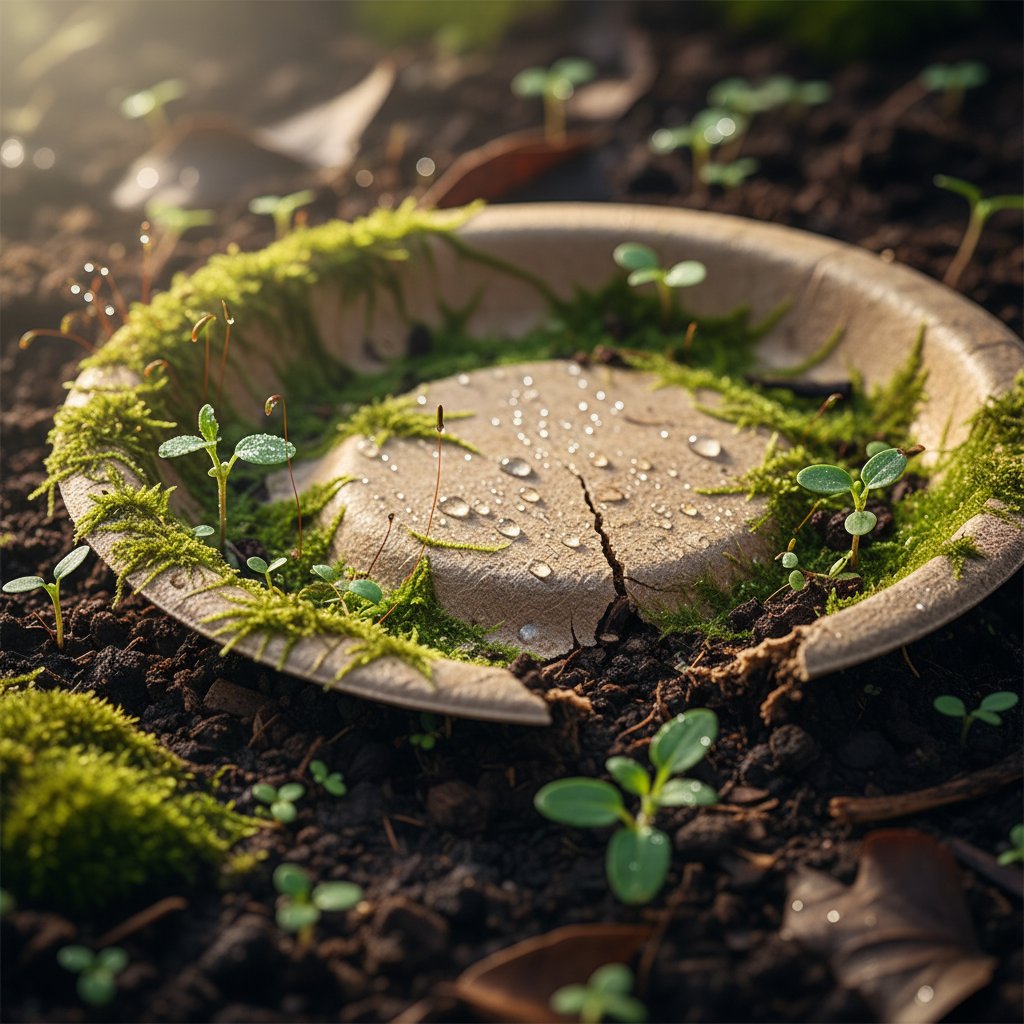
Stop Wasting Money on the Wrong Eco-Friendly Picnic Tableware
You're trying to do the right thing. You've ditched plastic plates for sustainable alternatives, but somehow your picnic budget has doubled and half your "eco-friendly" items end up soggy messes before dessert arrives. Sound familiar?
The market for sustainable disposable tableware has exploded, but not all green options are created equal. I've watched countless people drop serious cash on products that either fail mid-meal or aren't nearly as eco-friendly as the packaging claims. Let's break down the two main camps in this space and figure out where your money actually belongs.
The Plant-Based Brigade: Bamboo, Palm Leaf & Sugarcane
These materials have become the poster children of sustainable dining. Walk into any eco-conscious store, and you'll find plates made from fallen palm leaves, bamboo fiber, or sugarcane bagasse (the pulp left after juice extraction).
The Upside
- Genuinely compostable: Most break down in 60-90 days in commercial composting facilities, compared to 500+ years for plastic
- Heat tolerance: Bamboo and palm leaf plates can handle temperatures up to 200°F without buckling
- Sturdiness factor: Palm leaf plates feel like actual dinnerware – they won't fold when you load them with potato salad
- No chemical coatings: Unlike some "biodegradable" plastics, these need zero synthetic additives
- Aesthetic appeal: Let's be honest, they look fantastic in photos
The Downside
- Premium pricing: Expect to pay $0.80-$1.50 per plate versus $0.15-$0.30 for conventional disposables
- Availability issues: Many bamboo products ship from Asia, creating 4-6 week lead times if you're ordering bulk
- Moisture limitations: Sugarcane products can get mushy after 45 minutes with wet foods
- Size inconsistency: Palm leaves are natural materials, so plates vary slightly in thickness and shape
- The composting catch: They need industrial composting – tossing them in your backyard pile won't cut it
The Recycled Paper Crew: Molded Fiber & Coated Cardboard
Paper-based disposables have been around forever, but modern versions use recycled content and water-based coatings. They're the practical middle-ground option that doesn't scream "I spent my rent money on plates."
The Upside
- Budget-friendly: Quality recycled paper plates run $0.25-$0.50 each – half the cost of bamboo alternatives
- Readily available: Every grocery store stocks them, no special ordering required
- Lightweight logistics: Carrying 50 paper plates to the park beats lugging heavier plant-fiber options
- Grease resistance: Modern coatings handle oily foods better than you'd expect
- Familiar territory: Your guests know how to dispose of them properly
The Downside
- Structural weakness: They bend, fold, and occasionally fail with heavy or saucy dishes
- Coating confusion: Some "biodegradable" coatings contain PFAS chemicals – read labels carefully
- Limited heat capacity: Hot foods above 150°F can cause warping within 15-20 minutes
- Recycling reality: Food contamination means most end up in landfills despite being "recyclable"
- Less impressive: They won't win any style points at upscale outdoor events
Head-to-Head Breakdown
| Factor | Plant-Based Options | Recycled Paper |
|---|---|---|
| Cost per 50 plates | $40-$75 | $12-$25 |
| Durability with wet foods | 60-90 minutes | 20-30 minutes |
| Composting timeline | 60-90 days (industrial) | 90-180 days (varies by coating) |
| Weight capacity | Up to 3 lbs | 1-1.5 lbs |
| Availability | Specialty retailers, online | Everywhere |
| Environmental impact | Lower (renewable sources) | Moderate (recycled content) |
Where Your Money Should Actually Go
Here's the truth nobody wants to admit: the "best" option depends entirely on your specific situation.
Planning a casual family picnic with sandwiches and chips? Recycled paper plates will serve you perfectly fine, and you'll save $30-50 per event. That money could buy better food or actually go toward environmental causes that matter.
Hosting a wedding reception, corporate event, or any gathering where presentation matters and you're serving hot entrees? Plant-based tableware justifies the premium. Your plates won't embarrass you mid-meal, and guests notice the quality difference.
The biggest mistake? Buying cheap "biodegradable" products that are actually conventional plastic with additives. These cost nearly as much as legitimate eco-options but offer zero environmental benefit. Always check certifications like BPI (Biodegradable Products Institute) or look for ASTM D6400 compliance.
Another money drain: over-buying. Most people purchase 30% more disposables than needed. Calculate one plate per person per hour, not per person per event. Guests reuse sturdy plant-fiber plates; they don't reuse flimsy paper ones.
Your wallet and the planet will thank you for choosing strategically rather than aspirationally.